Explainer: Motor Vibration and Alignment
Vibration in an electric motor usually signals mechanical problems rather than electrical ones. This explainer defines alignment, vibration, and bearing wear, and shows how inspection findings affect maintenance planning and equipment selection.
- Vibration patterns distinguish alignment, imbalance, and bearing faults.
- Industrial motor inspection includes visual, acoustic, and vibration checks.
- Alignment errors increase bearing load and shorten service life.
- Preventive maintenance schedules should reflect measured vibration baselines.
- Sourcing decisions should consider motor rigidity and mounting options.
What vibration tells you about a motor
A motor that vibrates is telling you something is wrong with the mechanics. The electrical system may be perfectly healthy. The problem often sits in the shaft, bearings, coupling, or the way the motor sits relative to the driven load. Engineers use vibration as a diagnostic clue. A high reading in one direction points to imbalance. A different frequency or pattern suggests a loose foundation or a worn bearing.
You do not need a lab to see this. A trained inspector can often tell a loose coupling from a bad bearing just by feel, though a meter gives the numbers. The numbers matter for records. They create a baseline. Later, when a reading climbs above that baseline, you know something has changed.
How alignment changes vibration
Alignment is the position of the motor shaft relative to the driven equipment shaft. If the two shafts do not line up in a straight line, the coupling has to work harder. The motor shaft tilts slightly. The bearing races take extra load. The vibration signature shifts.
There are two main alignment errors. Parallel misalignment happens when the shafts are level but offset. Angular misalignment happens when the shafts tilt relative to each other. Both create forces that a perfectly aligned system would not have.
In practice, a motor that was aligned well during installation can drift. Foundations settle. The driven equipment shifts. A pump casing warms up and expands. The motor itself expands as it heats. If the mounting pads are loose, the motor can move on its own.
What inspectors actually check
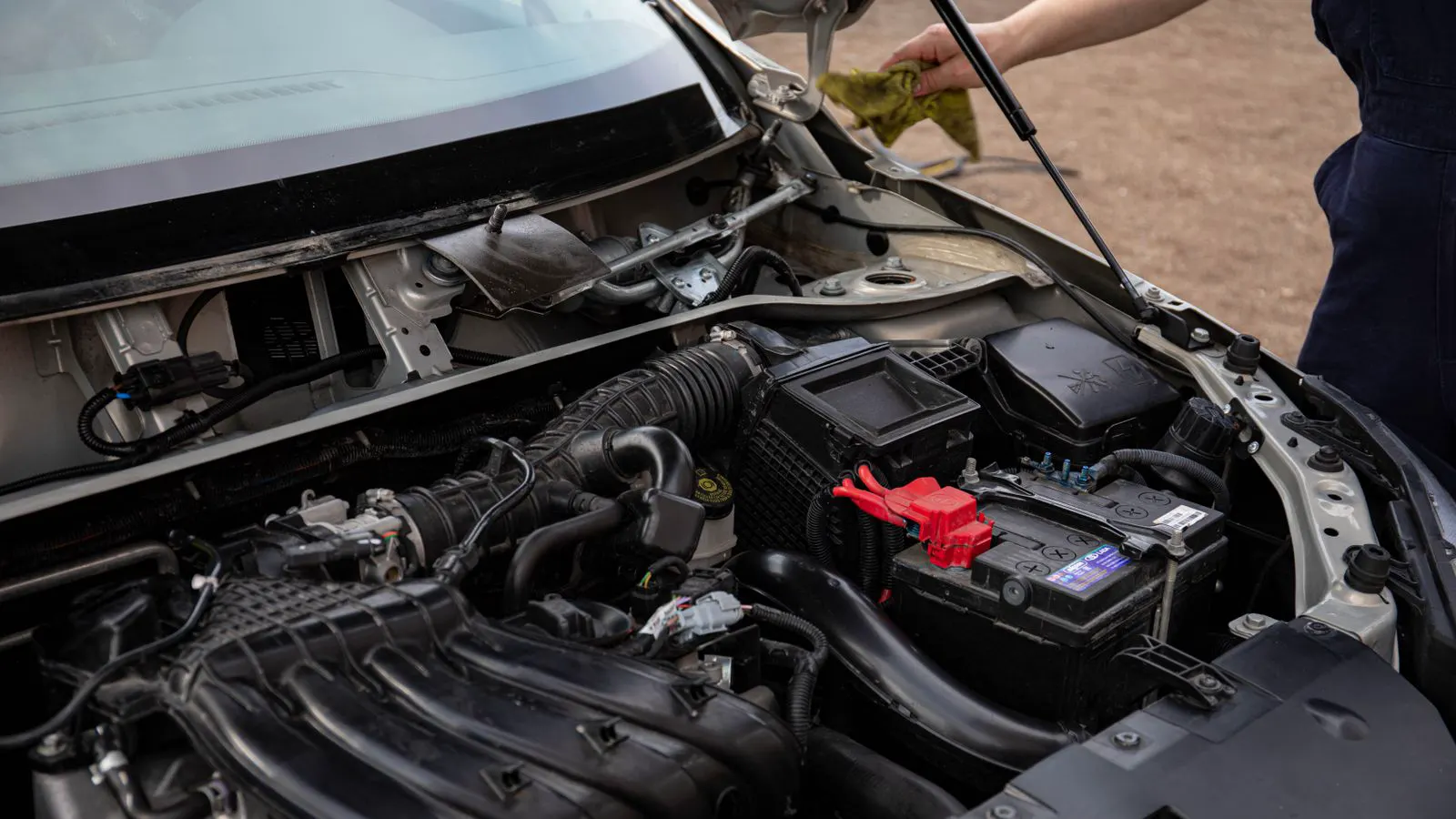
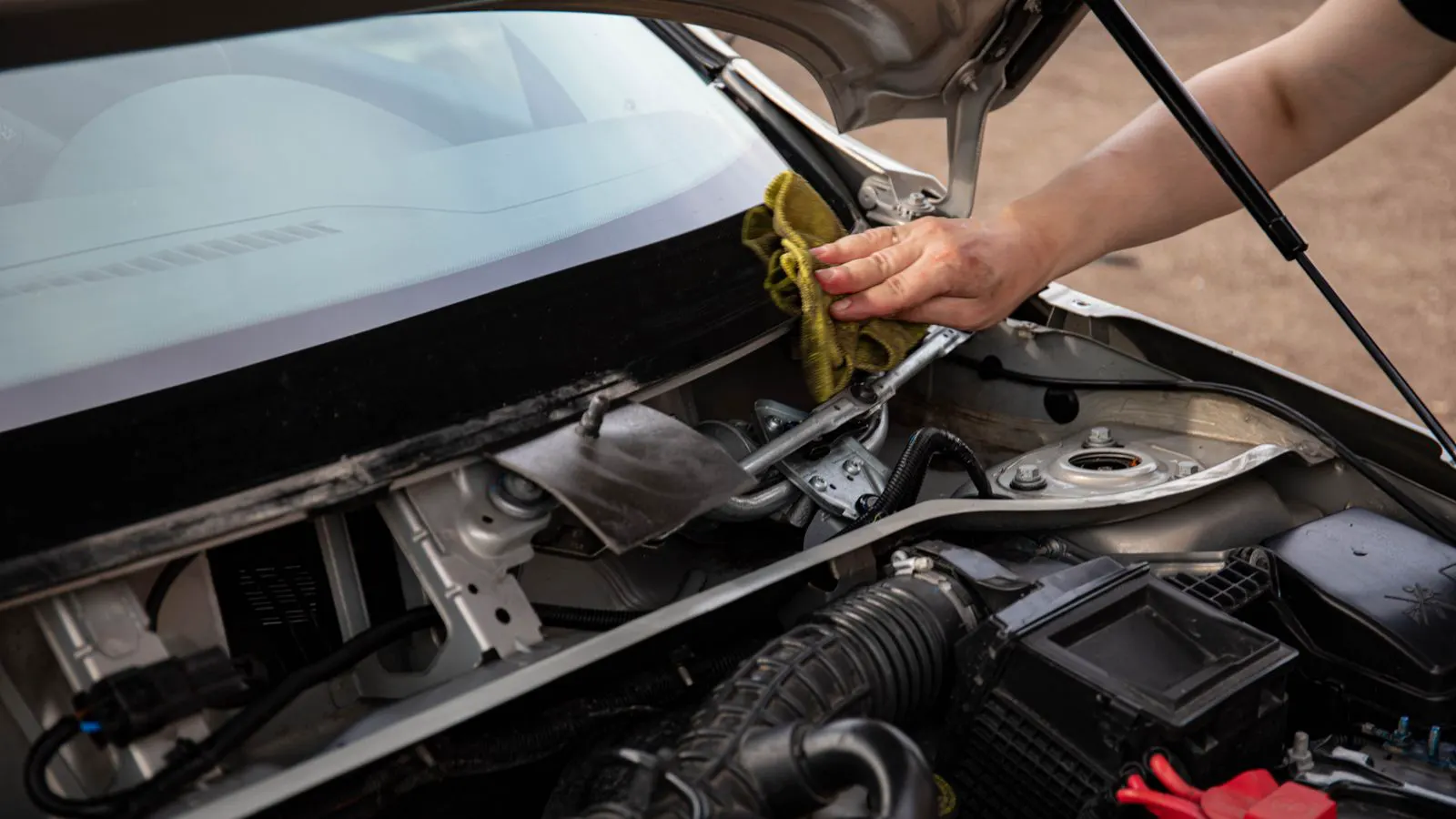
An industrial motor inspection is not one test. It is a sequence of checks. The inspector starts with the obvious. They look for oil leaks, paint chips, loose bolts, and damaged guards. Then they check the coupling. They look for wear in the coupling elements. They check the motor and pump foot for cracks.
After the visual walkaround, the inspector measures vibration. They place a sensor on the motor housing and the driven equipment housing. They take readings in three directions: horizontal, vertical, and axial. Axial vibration is the one that often surprises people. A small amount of axial movement can indicate a bad bearing or a loose shaft.
The inspector also checks temperature. A motor that runs hotter than its rated class is working harder than it should. They listen. A bearing problem often makes a distinct grinding or rumbling sound. They check the coupling for play. They inspect the drive side and the load side separately.
How vibration relates to fault diagnosis
Motor fault diagnosis uses vibration data to separate mechanical problems from electrical ones. An unbalanced rotor creates vibration at the operating frequency. A bad bearing creates vibration at specific frequencies that match the bearing geometry. A loose foundation creates low frequency vibration that changes with load.
This is where the diagnostic value comes in. If the vibration is at the same frequency as the shaft speed, think imbalance. If it is at twice the shaft speed, think misalignment. If it is at a frequency unrelated to shaft speed, think bearing or gear issues. The pattern tells you where to look.
A motor can have multiple problems at once. A bad bearing and a loose coupling can both be present. The inspector has to sort them out. They may take readings at different speeds or loads. They may temporarily remove the coupling to isolate the motor. They compare the motor side to the load side.
How findings affect sourcing decisions
When you buy a motor, you are not just buying a shaft and a stator. You are buying a package that includes the mounting, the frame, the bearing type, and the expected service life. Vibration data from your current fleet changes what you should specify.
If your current motors show high axial vibration, you may want a motor with stiffer feet and a different bearing arrangement. If your motors vibrate because of coupling wear, you may want a coupling with a longer service interval. If your motors vibrate because the foundation is soft, you may need a different mounting structure.
Sourcing decisions also involve the driven equipment. A motor that runs a large pump may need a different alignment tolerance than one driving a small fan. The pump casing may expand as it heats. The fan may have a different weight distribution. The motor must be specified for the actual load, not just the nameplate power.
A motor that is rigid and well balanced will tolerate less alignment error. A motor that is flexible or poorly balanced will amplify the same error. You want the motor that fits the machine, not the cheapest option.
A worked example in plain words
Imagine a motor driving a centrifugal pump. The motor is bolted to a steel baseplate. The pump is bolted to the same plate. The coupling connects the two shafts.
During a routine industrial motor inspection, the inspector finds the motor running at normal temperature. The current draw is within limits. The insulation resistance is good. But the vibration meter shows a reading on the motor housing that is higher than the baseline recorded two years ago.
The inspector checks the coupling. The elements are worn. There is play. He removes the coupling and checks the shafts. He finds the pump shaft has shifted slightly downward. The baseplate has settled. The pump foot has a small crack.
The inspector does not just replace the coupling. He repairs the baseplate. He re-levels the pump. He re-aligns the motor and pump. He re-installs the new coupling. He runs the system and takes new vibration readings. The readings are back within normal range.
If the inspector had only looked at the vibration number, he might have replaced the motor. That would have been expensive and wrong. The fault was mechanical. The motor was fine. The mounting had failed.
How to plan for this in preventive maintenance
Preventive maintenance should be based on what you actually see, not on a calendar alone. A motor in a harsh environment may need inspection every three months. A motor in a clean room may run fine for a year. Your interval depends on the duty cycle, the environment, and the vibration baseline.
Build a baseline. Take vibration readings when the motor is new or after a major repair. Record the readings. Store them. Compare them over time. When a reading climbs, investigate before it becomes a failure.
Keep records of every inspection. Note the vibration readings, the temperature, the coupling condition, and any alignment errors found. If a motor fails, the records tell you what the early warning was. They also tell you whether the failure was expected.
A motor that shows a gradual climb in vibration over six months is telling you something. A motor that jumps in vibration overnight is telling you something else. The shape of the curve matters.
How alignment errors show up in the field
Alignment errors do not always show up as a single high vibration reading. Sometimes they show up as increased bearing temperature. The bearing races take extra load. The grease works harder. The temperature climbs. The inspector sees a motor that runs warm but not hot. The vibration is normal. The temperature is the clue.
Sometimes alignment errors show up as increased coupling wear. The coupling elements flex more than they should. They wear faster. The inspector sees a new coupling every six months instead of every two years. That is a cost signal.
Sometimes alignment errors show up as increased noise. The coupling makes a grinding or clicking sound. The motor makes a hum that was not there before. The inspector hears it before the meter shows it.
These small signals are easy to ignore. They are also easy to fix. A few degrees of alignment error can be corrected with a shim pack. A loose foundation can be re-tightened. A worn coupling can be replaced. The cost is small compared to the cost of a motor failure.
What to ask when you specify a new motor
When you specify a new motor, ask about the mounting options. A motor with integral feet is one thing. A motor with a flange mount is another. A motor with a pedestal mount is a third. Each has different alignment tolerance. Each has different vibration behavior.
Ask about the bearing type. Some bearings are better than others for high load. Some are better for high speed. Some are better for harsh environments. The bearing is the part that takes the vibration load. If the bearing is wrong, the vibration will be wrong.
Ask about the rotor balance. A motor that is balanced to a high standard will vibrate less than one that is balanced to a low standard. The balance grade matters. It is not a luxury. It is a mechanical property.
Ask about the nameplate data. The nameplate tells you the power, the voltage, the speed, and the efficiency. It does not tell you the vibration baseline. You have to measure that. You have to measure it under load. You have to measure it at the mounting points.
The motor you buy today is the motor you will maintain for years. The specifications you choose today determine the maintenance you will do tomorrow. A good industrial motor inspection is not a cost. It is a record. It is a plan. It is the difference between a motor that runs for a decade and one that fails in a season.
Frequently asked questions
What is the main difference between vibration and alignment?
Vibration is a measured movement of the motor or load. Alignment is the relative position of the motor shaft and the driven shaft. Vibration is a symptom. Alignment is a condition.
Can a motor vibrate without being misaligned?
Yes. Imbalance, loose foundations, and bearing wear all cause vibration. Misalignment is one cause among several. The vibration pattern helps you tell them apart.
How often should you check motor alignment?
Check alignment when you replace a coupling, when you move a machine, when you repair a foundation, and during routine preventive maintenance. The interval depends on the duty cycle and the environment.
What is the best sensor for vibration inspection?
A contact sensor is standard for most industrial motor inspection work. It gives clear readings. A non-contact sensor is useful when access is limited or the area is hazardous.
Does vibration data affect motor warranty?
It can. If vibration readings show excessive load or poor alignment, the manufacturer may question whether the motor was installed and maintained correctly. Keep records. They protect your position.