Efficiency & Standards
Troubleshooting: Why New IE3 Motors Draw Higher Current Than Old
New IE3 motors can draw more current than older units due to higher torque, tighter tolerances, or installation errors. This guide identifies the main causes of

Understand efficiency classes, energy regulations, and performance standards relevant to industrial motor procurement.
New IE3 motors can draw more current than older units due to higher torque, tighter tolerances, or installation errors. This guide identifies the main causes of
IE4 motor cost in developing markets includes a premium for premium materials and manufacturing complexity. Lead times extend due to limited local production and
Selecting the right motor efficiency class for a VFD system requires balancing base efficiency against variable speed performance. This guide covers the key technical
Buying an energy saving motor abroad requires balancing upfront savings against supply chain delays. This guide breaks down price and delivery drivers, explains how to
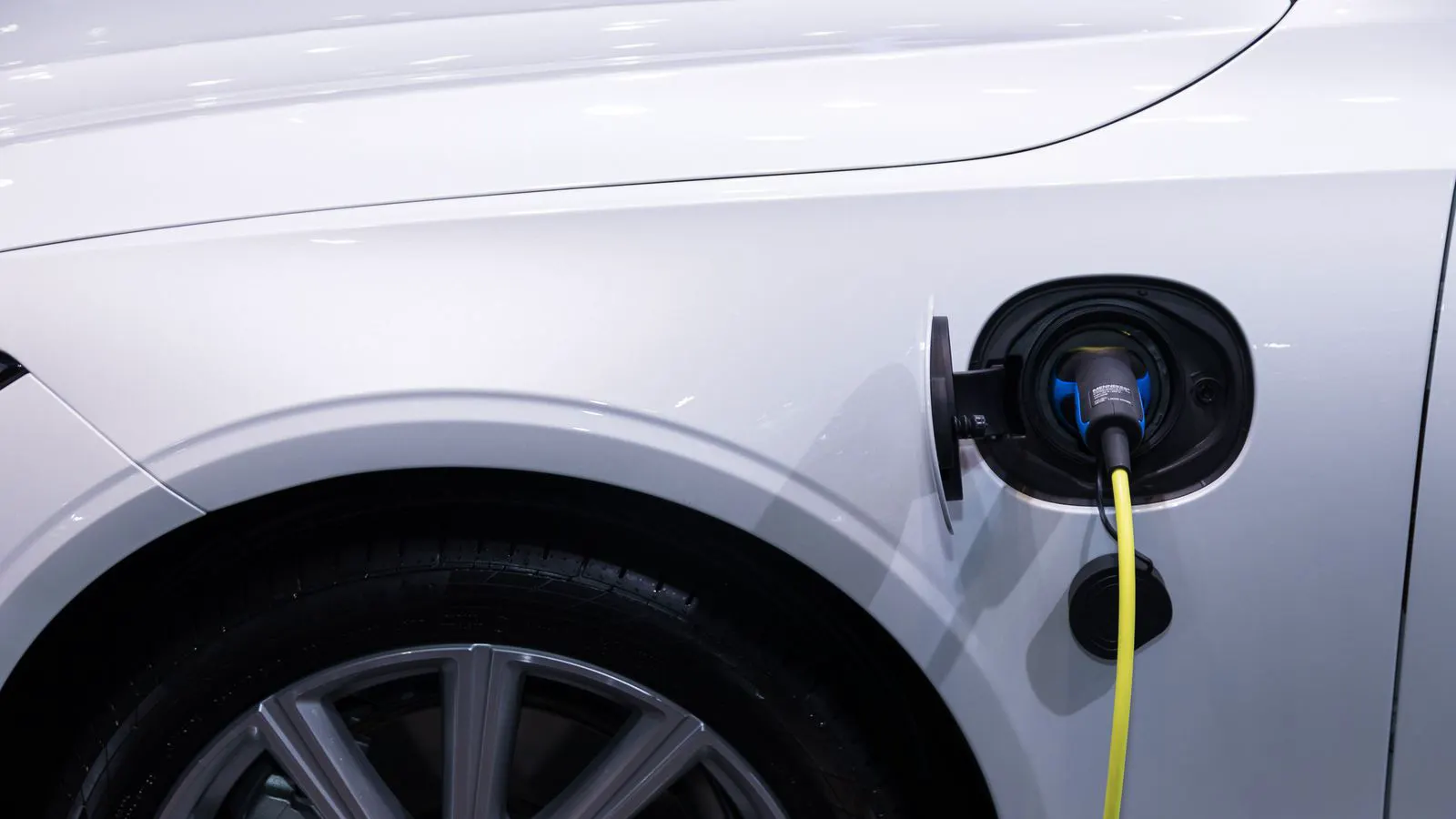
IE5 motors offer higher efficiency than IE3 but carry a higher upfront cost. For heavy industrial duty, the choice depends on duty cycles and load factors. IE3 suits

Premium motors often generate more heat due to smaller air gaps and tighter tolerances. This guide explains common symptoms, identifies likely mechanical and electrical

Matching an efficiency class to duty cycle means choosing the highest class that pays back within the expected runtime. Short-cycle applications often justify lower

Verify motor standards compliance by checking nameplate data, certificate authenticity, efficiency class ratings, and test reports. This checklist helps buyers confirm
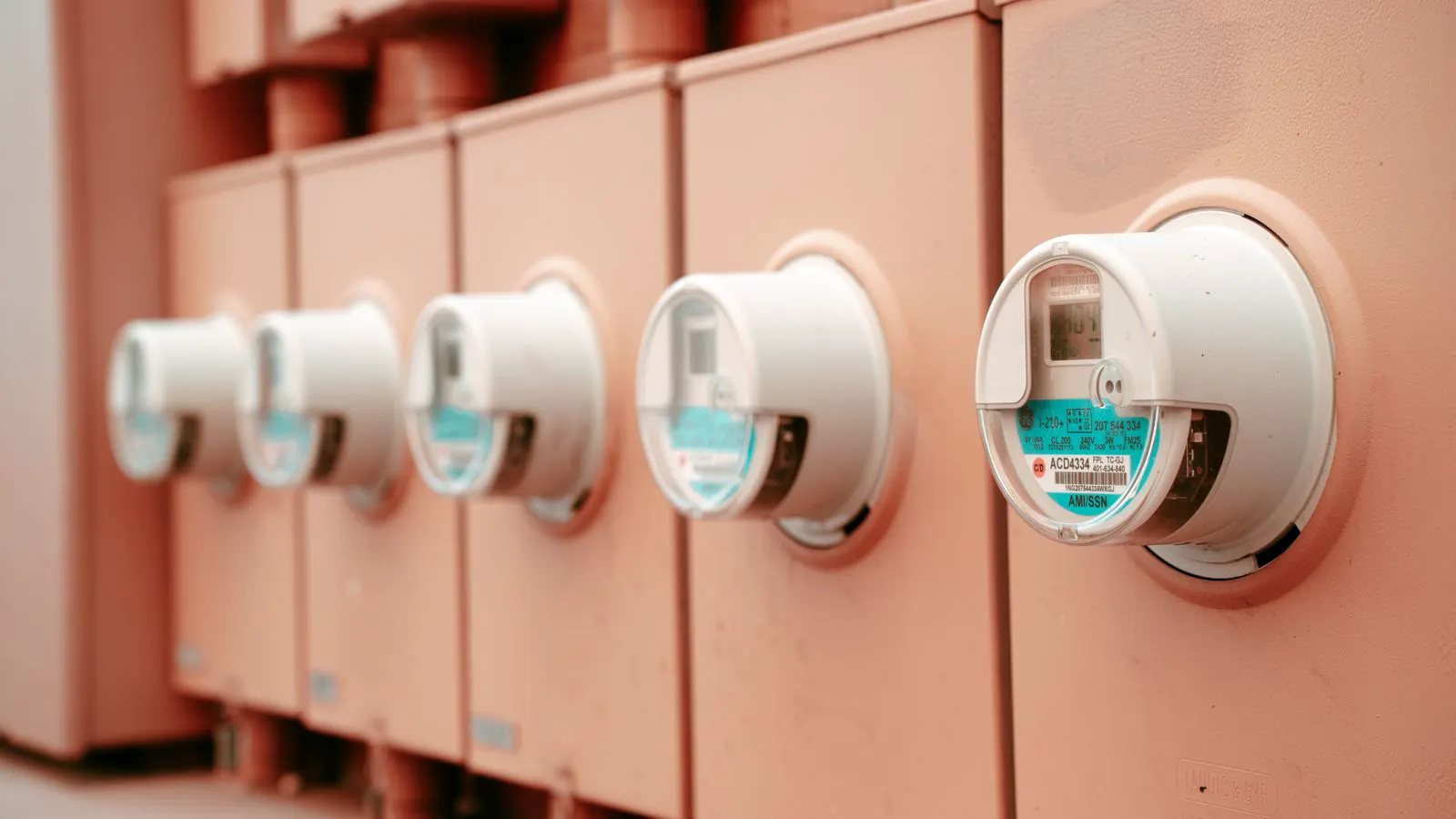
To calculate energy savings, multiply the difference in motor efficiency by the load, runtime, and electricity rate. This method quantifies the financial benefit of

IE3 and IE4 are efficiency classes that determine how much energy a motor consumes. Choosing correctly depends on duty cycle, load profile, and total cost of ownership.