Outlook: The Impact of Cybersecurity on Motor Control Systems
Industrial motor control cybersecurity is forcing a redesign of how plant networks handle data. Engineers must plan for segmentation, firmware updates, and secure commissioning. This outlook details five shifts and preparation steps for buyers.
- Segment motor control networks from plant IT to limit lateral movement.
- Verify firmware and parameter security before commissioning new networked drives.
- Standardize secure commissioning checklists for VFDs and servo drives.
- Plan for long-term firmware support in drive procurement.
- Monitor network traffic to detect abnormal communication patterns.
Why motor control cybersecurity is no longer optional
Motor control systems are moving from isolated hardware to networked infrastructure. A variable frequency drive on a conveyor line now connects to the plant historian, the MES, and sometimes the corporate IT environment. This connectivity creates value, but it also opens a path for unauthorized access.
Engineers and procurement teams are facing a reality shift. The risk is no longer limited to a single compromised PC. A compromised network segment can expose drives that control critical processes. The question is not whether these systems will be targeted, but how well the plant can detect and contain an intrusion.
Buyers should view security as a functional requirement, not a post-installation add-on. This changes how specifications are written, how drives are commissioned, and how the plant network is architected.
Shift 1: Network segmentation becomes the baseline
The first shift is the move toward strict segmentation. Motor control networks are being isolated from corporate IT. This is not a preference; it is a practical necessity. Plant networks carry different traffic patterns than office networks. They are deterministic, low-latency, and often run legacy protocols.
Segmentation reduces the attack surface. If a browser-based attack reaches a plant network, it should not have an unmediated path to a VFD or a PLC. Engineers are implementing industrial firewalls and dedicated network segments for drives.
This requires a clear map of the plant network. Teams must identify every device that communicates with motor control equipment. This includes drives, HMI panels, sensors, and the servers that log their data. Without this map, segmentation is guesswork.
Procurement teams must ensure that new drives support the plant’s segmentation strategy. Some drives have built-in security features. Others rely on external configuration. The specification should clarify which approach is acceptable.
Shift 2: Firmware and parameter security are now procurement criteria
The second shift is the focus on firmware and parameter security. Drives are not just hardware anymore. They are software-defined devices. A compromised firmware update can alter drive behavior, disable safety functions, or create a backdoor.
Engineers are now asking about the firmware update process. How are updates delivered? How are they validated? Can a drive be locked to a specific firmware version? These questions are becoming standard in procurement.
Parameter security is equally important. Drive parameters define how the motor operates. If an attacker can change the acceleration profile or the current limit, they can damage the motor or disrupt production. Secure parameter access means that only authorized users can modify these settings.
Buyers should require that drives support parameter locking and user-level access control. This prevents casual access and limits who can change critical settings. It also creates an audit trail. If a parameter is changed, the system should record who made the change and when.
This shift requires a change in how drives are evaluated. The focus is no longer just on efficiency and torque. Security features are now part of the technical evaluation.
Shift 3: Secure commissioning is a new operational step
The third shift is the integration of secure commissioning into standard procedures. Commissioning used to be about getting the drive to operate correctly. Now, it includes verifying the security configuration.
Engineers are developing standard checklists for secure commissioning. These checklists cover network configuration, user accounts, and parameter settings. They also verify that the drive is communicating only with authorized devices.
A common mistake is to leave default credentials enabled. Many drives ship with default usernames and passwords. If these are not changed during commissioning, they become a known vulnerability. Secure commissioning requires that default credentials are changed immediately.
Another common issue is open network ports. Drives may have ports open for diagnostics or communication. If these ports are not needed, they should be closed. Secure commissioning includes a review of open ports and the justification for each one.
This step requires coordination between the electrical team and the IT team. The electrical team handles the drive configuration. The IT team handles the network settings. Without coordination, gaps appear.
Procurement teams should include secure commissioning in the contract. The vendor should provide documentation that supports the secure commissioning process. This includes configuration templates and security checklists.
Shift 4: Long-term support is a critical risk factor
The fourth shift is the recognition that long-term support is a security risk. Drives are often installed for ten to fifteen years. If a vendor stops supporting a drive, it may no longer receive firmware updates or security patches.
This creates a gap. A drive that is no longer supported may remain vulnerable to known threats. There is no patch for a new exploit. There is no firmware update to close a security flaw.
Engineers are now evaluating the vendor’s support commitment before purchase. The question is not just whether the drive works today, but whether it will remain secure in five years.
This is a difficult question to answer. Vendor support policies change. Product lines are discontinued. The risk is real, and it must be managed.
Buyers should ask for a support roadmap. They should ask how long the vendor will provide security updates for a specific drive model. They should also ask about the process for reporting security vulnerabilities.
This shift requires a longer-term view. It is not enough to choose the cheapest drive. The total cost of ownership includes the risk of an unsupported device.
Shift 5: Monitoring and anomaly detection are becoming standard
The fifth shift is the move toward continuous monitoring. Engineers are no longer waiting for a failure to detect a problem. They are monitoring network traffic to identify abnormal behavior.
This involves analyzing communication patterns between drives and other devices. A drive that suddenly starts communicating with an unknown IP address is a red flag. A drive that sends data at an unusual time is suspicious.
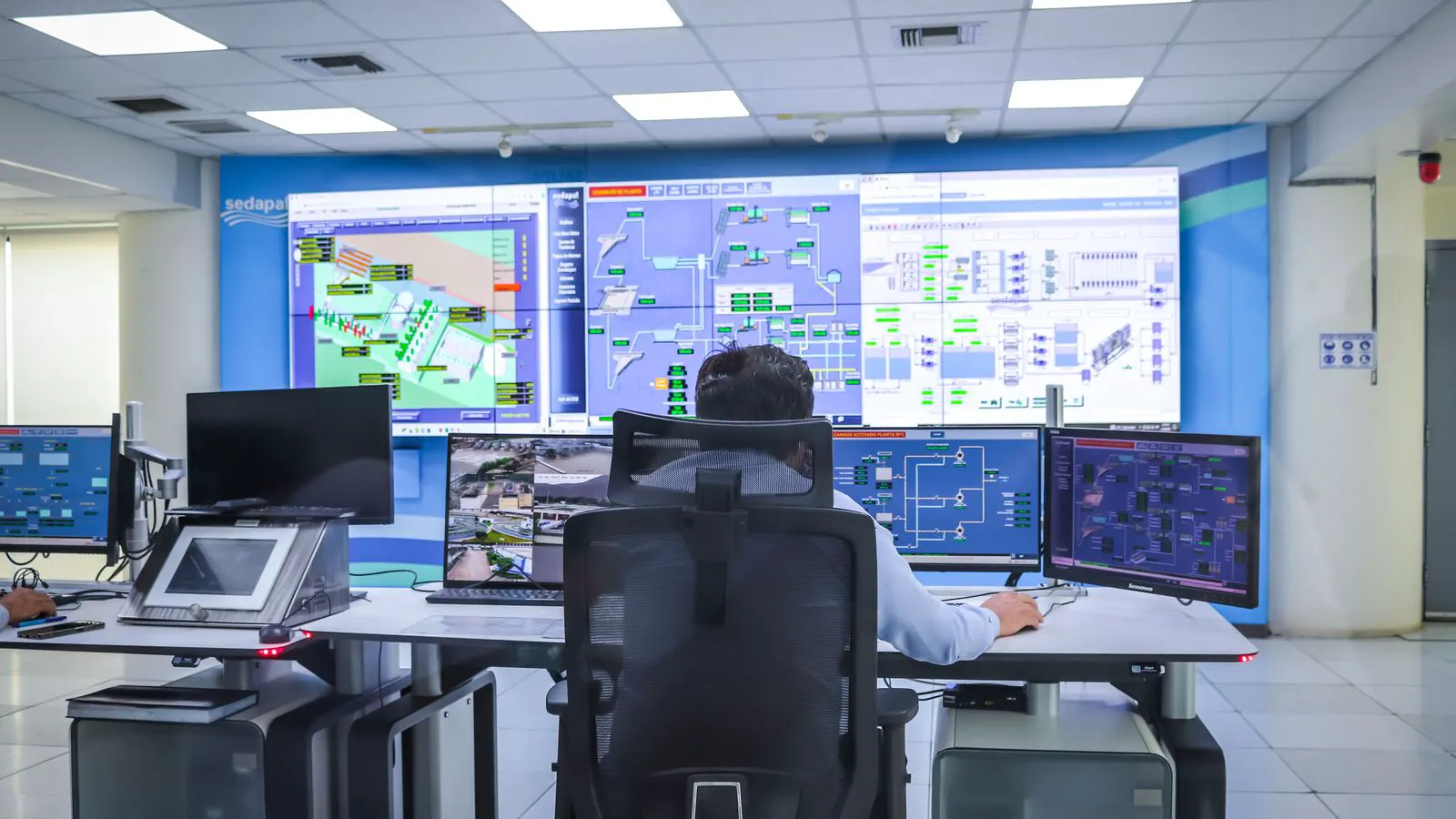
Monitoring tools can flag these anomalies. They can alert the control room to a potential intrusion. This allows the team to respond before damage is done.
This shift requires a change in operations. The control room staff must be trained to recognize security alerts. They must understand the difference between a normal process alarm and a security alert.
Procurement teams should consider monitoring capabilities when selecting drives. Some drives provide built-in monitoring. Others rely on external tools. The specification should clarify what is included and what is an add-on.
Table: Security features to evaluate in networked drives
| Feature | Why it matters | Typical implementation |
|---|---|---|
| Parameter locking | Prevents unauthorized changes to drive settings | User-level access control |
| Firmware validation | Ensures only legitimate firmware is installed | Digital signatures or checksums |
| Secure communication | Protects data in transit | Encryption of network traffic |
| Audit logging | Tracks who changed what and when | Event log storage |
| Network isolation | Limits the reach of an intrusion | VLANs or industrial firewalls |
How to prepare: A practical checklist
Preparing for the changes in motor control cybersecurity requires a structured approach. Teams should not try to solve every problem at once. They should focus on the highest-risk areas first.
- Map the plant network. Identify every device that communicates with motor control equipment.
- Segment the network. Isolate motor control traffic from corporate IT.
- Review drive specifications. Look for security features that align with the plant’s needs.
- Develop a secure commissioning checklist. Include steps for changing default credentials and closing open ports.
- Evaluate vendor support. Ask about the long-term support commitment for the drive model.
- Implement monitoring. Use tools to detect abnormal communication patterns.
This approach is practical. It does not require a complete overhaul. It builds on existing infrastructure. It addresses the most critical risks first.
Final thoughts
The impact of motor control cybersecurity is reshaping the way engineers and procurement teams work. It is not a one-time project. It is an ongoing process of adaptation.
The shifts described here are not optional. They are becoming the standard. Teams that prepare now will be better positioned to manage risk and maintain reliability.
The goal is not to achieve perfect security. It is to reduce risk to an acceptable level. It is to ensure that motor control systems remain secure and reliable. It is to protect the plant and its operations.
Frequently asked questions
What is the main risk of connecting motor control systems to the plant network?
The main risk is that an unauthorized user can access the drive and change parameters or firmware. This can disrupt production or damage the motor.
How does network segmentation help with motor control cybersecurity?
Network segmentation isolates motor control traffic from corporate IT. This limits the ability of an attacker to move laterally and reach the drives.
What should be checked during secure commissioning of a VFD?
Secure commissioning should include changing default credentials, closing open network ports, and verifying parameter access control. It should also confirm that the drive communicates only with authorized devices.
Why is long-term vendor support a security concern?
Without long-term support, a drive may not receive security updates or patches. This leaves it vulnerable to known and future threats.
How can engineers detect a potential intrusion in a networked drive?
Engineers can monitor network traffic for abnormal patterns. This includes unusual communication partners, data transfer rates, or timing. Alerting tools can flag these anomalies.