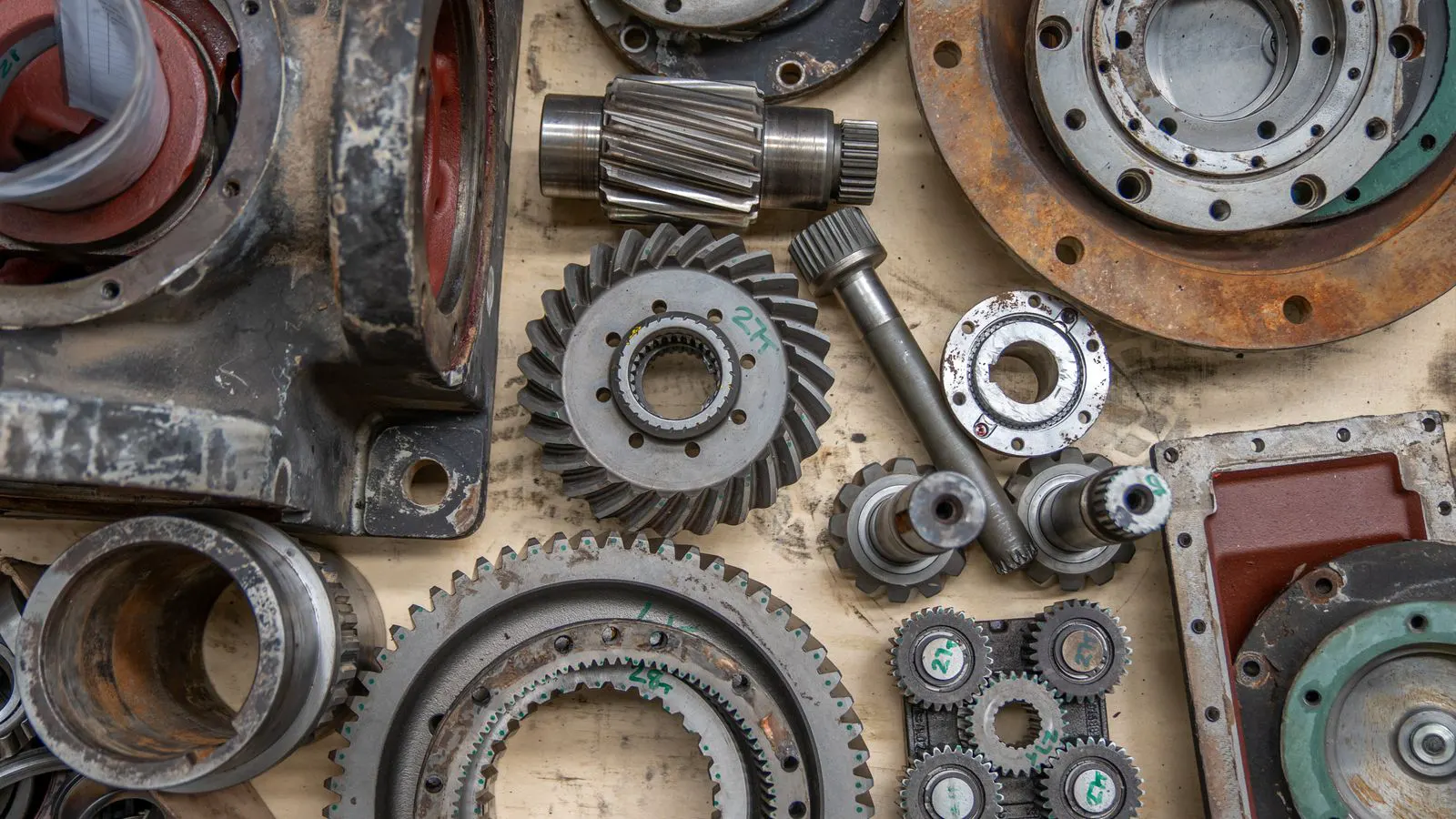
Checklist: Verifying Supplier Warranty Terms
Verify the warranty duration, exclusions, and response times before signing. Confirm liability for failure modes, inspection rights, and dispute resolution. This checklist helps buyers identify gaps that often surface only after a motor failure.
- Define the failure modes that trigger warranty coverage, such as bearing wear versus winding burnout.
- Check the warranty start date, which should align with the date of acceptance, not the date of shipment.
- Verify the claim process requires a root cause analysis before replacement or credit is issued.
- Confirm the supplier provides repair options that do not void the remaining warranty period.
- Review the liability cap and dispute resolution clause before committing to a long-term supply contract.
Why the warranty document matters more than the spec sheet
Spec sheets confirm that a motor can handle the load. Warranty documents confirm what happens when it fails. For many industrial buyers, the gap between these two documents creates the most friction during procurement. A motor may meet the torque and speed requirements perfectly, yet the supplier may exclude coverage for failures caused by ambient heat or voltage fluctuations that the buyer did not anticipate.
Before signing a contract, treat the warranty as a legal and technical agreement. It defines the scope of liability, the financial exposure, and the operational risk. This checklist is designed for procurement teams and engineers who need to verify these terms before the legal team reviews the final draft.
What is the start date and duration of the warranty?
The warranty period must have a clear start date and a defined end date. Shipment date is a common starting point, but it creates a mismatch if the motor sits in a warehouse for three months before installation. If the motor is stored in a hot or humid environment, the effective life may be reduced before the warranty clock even starts.
A better approach is to define the start date as the date of acceptance. This is the date when the installation team verifies the motor, checks the insulation resistance, and confirms it meets the installation requirements.
- Check for a clear start date clause. Look for “date of acceptance” or “date of commissioning.”
- Define the duration. Is it 12 months, 24 months, or 36 months from the start date?
- Check for prorated terms. Some suppliers offer a prorated warranty for the remainder of the term after the first year.
- Review the expiration date. Does the warranty expire on a fixed calendar date or a rolling period?
Red flag: If the warranty starts on the shipment date and the motor is not installed for months, the buyer loses coverage time. If the warranty is prorated, the financial value of the warranty decreases significantly after the first year of failure.
Which failure modes are covered under the warranty?
The warranty document must specify what constitutes a defect. A general statement like “warranty against manufacturing defects” is often too vague. It does not define whether a bearing failure due to improper lubrication is a defect or a user error.
The most common failure modes in industrial motors are bearing wear, winding insulation breakdown, rotor imbalance, and shaft misalignment. The warranty should explicitly state which of these are covered.
| Failure Mode | Typical Warranty Treatment | Buyer Risk |
|---|---|---|
| Winding burnout | Usually covered if caused by a manufacturing defect. | Low risk if insulation tests are documented. |
| Bearing failure | Often excluded if caused by misalignment or heat. | High risk if installation tolerances are not documented. |
| Rotor imbalance | Usually covered if detected during testing. | Low risk if vibration data is retained. |
| Shaft misalignment | Usually excluded as an installation issue. | High risk if the alignment certificate is not part of the warranty file. |
Red flag: If the warranty excludes “wear and tear,” it is likely to exclude bearing failures that are common in high-duties. If the warranty excludes “operating conditions,” the supplier may deny claims for motors installed in environments that were not clearly specified during the bid.
What is the process for filing a claim?
A warranty is only as good as the claim process. If the supplier requires a complex root cause analysis before issuing a replacement, the claim process becomes a bottleneck. The buyer should know exactly what documentation is needed before the motor is removed from service.
The claim process should define the steps for reporting a failure, the required documentation, and the timeline for resolution.
- Reporting step. Who do you contact? Is there a dedicated service engineer or a general sales representative?
- Documentation required. Does the supplier require the original purchase order, the installation certificate, and the maintenance logs?
- Root cause analysis. Must the buyer perform a root cause analysis, or will the supplier send an engineer to inspect the motor?
- Resolution options. Does the warranty cover repair, replacement, or credit?
- Timeline. How many business days does the supplier have to respond?
Red flag: If the supplier requires a root cause analysis by the buyer before a claim is accepted, the buyer is effectively performing the supplier’s inspection work. If the resolution option is only credit, the buyer bears the cost of the replacement motor. If the timeline is undefined, the claim can sit in a queue for months.
How is liability capped and resolved in disputes?
The warranty document should state the maximum liability the supplier accepts. This is the financial limit for any claim. If the motor failure causes a production line shutdown, the liability may extend beyond the cost of the motor.
The dispute resolution clause defines how disagreements are handled. Most suppliers will try to resolve issues through negotiation. If that fails, the clause should define the next step.
- Liability cap. Is the liability capped at the cost of the motor? Or does it include the cost of repair and replacement?
- Indirect damages. Does the warranty cover indirect damages, such as lost production? Most suppliers will exclude indirect damages.
- Dispute resolution. Is there a clause for mediation or arbitration? Or must the buyer go to court?
- Jurisdiction. Which court or arbitration body has jurisdiction?
Red flag: If the liability cap is only the cost of the motor, the buyer bears the cost of the repair and the lost production. If the dispute resolution clause requires arbitration in a country far from the buyer’s location, the cost of legal defense can exceed the value of the motor.
How do installation and maintenance affect the warranty?
The warranty is conditional on proper installation and maintenance. If the motor fails due to improper installation, the warranty is void. The buyer must document the installation to protect the warranty.
The maintenance requirements should be defined in the warranty document. If the supplier requires specific lubrication intervals or specific temperature monitoring, the buyer must follow these intervals to maintain the warranty.
- Installation requirements. Does the supplier require a specific alignment tolerance? Does it require a specific vibration measurement?
- Maintenance requirements. Does the supplier require specific lubrication intervals? Does it require specific insulation resistance tests?
- Documentation. Does the buyer need to keep maintenance logs? Are they required to be in a specific format?
Red flag: If the warranty requires specific maintenance intervals but the buyer does not have the resources to perform them, the warranty is effectively void. If the installation requirements are not defined, the supplier can deny a claim by claiming the installation was improper.
How does the warranty interact with other supplier agreements?
The warranty is not the only agreement with the supplier. There may be a service agreement, a supply contract, or a quality agreement. These documents may conflict with the warranty. The warranty should be consistent with the other agreements.
- Service agreement. Does the service agreement extend the warranty? Or does it replace the warranty?
- Supply contract. Does the supply contract define the quality standards? Do these standards align with the warranty?
- Quality agreement. Does the quality agreement define the acceptance criteria? Are these criteria aligned with the warranty?
Red flag: If the service agreement and the warranty have different start dates, the buyer may have a gap in coverage. If the quality agreement defines stricter quality standards than the warranty, the buyer may be entitled to a warranty claim even if the warranty document does not explicitly cover the failure mode.
What are the red flags that indicate a weak warranty?
A weak warranty is often hidden in the fine print. The buyer should look for vague language, undefined terms, and broad exclusions.
- Vague language. “Warranty against defects” is vague. “Warranty against manufacturing defects in the winding insulation” is specific.
- Undefined terms. “Normal operating conditions” is undefined. “Operating conditions within 40 degrees Celsius” is defined.
- Broad exclusions. “Excludes failures caused by user error” is broad. “Excludes failures caused by lubrication intervals longer than 12 months” is specific.
Red flag: If the warranty document is short and generic, it is likely to be interpreted in favor of the supplier. If the warranty document is long and specific, it is likely to be interpreted in favor of the buyer.
How to verify the warranty before signing
The final step is to verify the warranty terms with the supplier. Do not rely on the draft document alone. Ask the supplier to clarify any ambiguous terms.
- Ask for a written confirmation. Request a written confirmation of the warranty terms.
- Ask for a claim example. Ask the supplier to provide an example of a claim that was processed.
- Ask for a root cause analysis template. Request the template that the supplier uses for root cause analysis.
- Ask for a liability cap confirmation. Request a written confirmation of the liability cap.
Red flag: If the supplier refuses to clarify any term, it is a sign that the term is intentionally vague. If the supplier refuses to provide a claim example, it is a sign that the claim process is not well-defined.
Conclusion
The warranty document is the last line of defense before a motor failure becomes a financial loss. By verifying the start date, the failure modes, the claim process, the liability cap, and the maintenance requirements, the buyer can reduce the risk of a denied claim. The checklist above is designed to be used before the contract is signed. It is not a replacement for legal review, but it is a practical tool for identifying gaps that legal review may miss. Use it to ensure that the warranty document reflects the actual risk of the motor installation.
Frequently asked questions
Can I get a warranty extension if I follow the maintenance schedule?
Some suppliers offer a warranty extension if the buyer follows the maintenance schedule. Check the warranty document to see if an extension is available.
What happens if the motor fails due to a power surge?
A power surge is usually not covered by the warranty. It is considered an external factor. Check the warranty document to see if power surges are excluded.
Do I need to keep the original packaging for the warranty?
No. The original packaging is not required for the warranty. However, the original purchase order and installation certificate are required.
Can the warranty be transferred to a new owner?
Most warranties are non-transferable. Check the warranty document to see if the warranty can be transferred to a new owner.
What if the supplier goes out of business during the warranty period?
If the supplier goes out of business, the warranty may be void. Check the warranty document to see if there is a clause for supplier bankruptcy.