Buyer Guide: Sourcing Motors From Tier Two Suppliers
Using secondary vendors can lower procurement costs and shorten delivery windows, but only if you verify factory controls, traceability, and spare parts access. This guide explains how to balance savings with reliability before placing an order.
- Evaluate factory inspection capabilities before accepting cost savings from secondary vendors.
- Require full traceability documents and sample testing to catch defects early.
- Define clear acceptance criteria for delivery, performance, and documentation in the purchase order.
- Maintain a dual sourcing strategy to protect production schedules against supply disruption.
Why Companies Look Beyond Primary Manufacturers
Procurement teams often turn to secondary vendors when primary manufacturers cannot meet demand or pricing targets. Tier two motor suppliers operate one step removed from the original equipment manufacturer, often handling sub-assembly, finishing, or distribution. They can offer lower unit costs and shorter lead times for standard applications. The trade-off is reduced transparency into the manufacturing process.
The core risk is not just price. It is the possibility of receiving a motor that fails during the initial commissioning phase. When a secondary supplier uses sub-tier components, the final product may not match the specifications promised in the datasheet. A buyer must verify that the supplier controls the entire value chain or has the technical ability to validate the final assembly.
Consider a scenario where a secondary supplier sources windings from an unverified third party. The copper wire gauge might be slightly smaller than specified, or the enamel coating thickness might be thinner. These deviations are invisible in the final datasheet but manifest as heat buildup during long shifts. A buyer who assumes that a lower price guarantees a good deal often discovers this reality too late. If the motor burns out during the first few thousand hours of operation, the cost of replacement, labor, and lost production far exceeds the savings from the secondary source. The goal is to find a supplier who can prove reliability through documentation and testing, not just through price.
How to Qualify a Secondary Motor Supplier
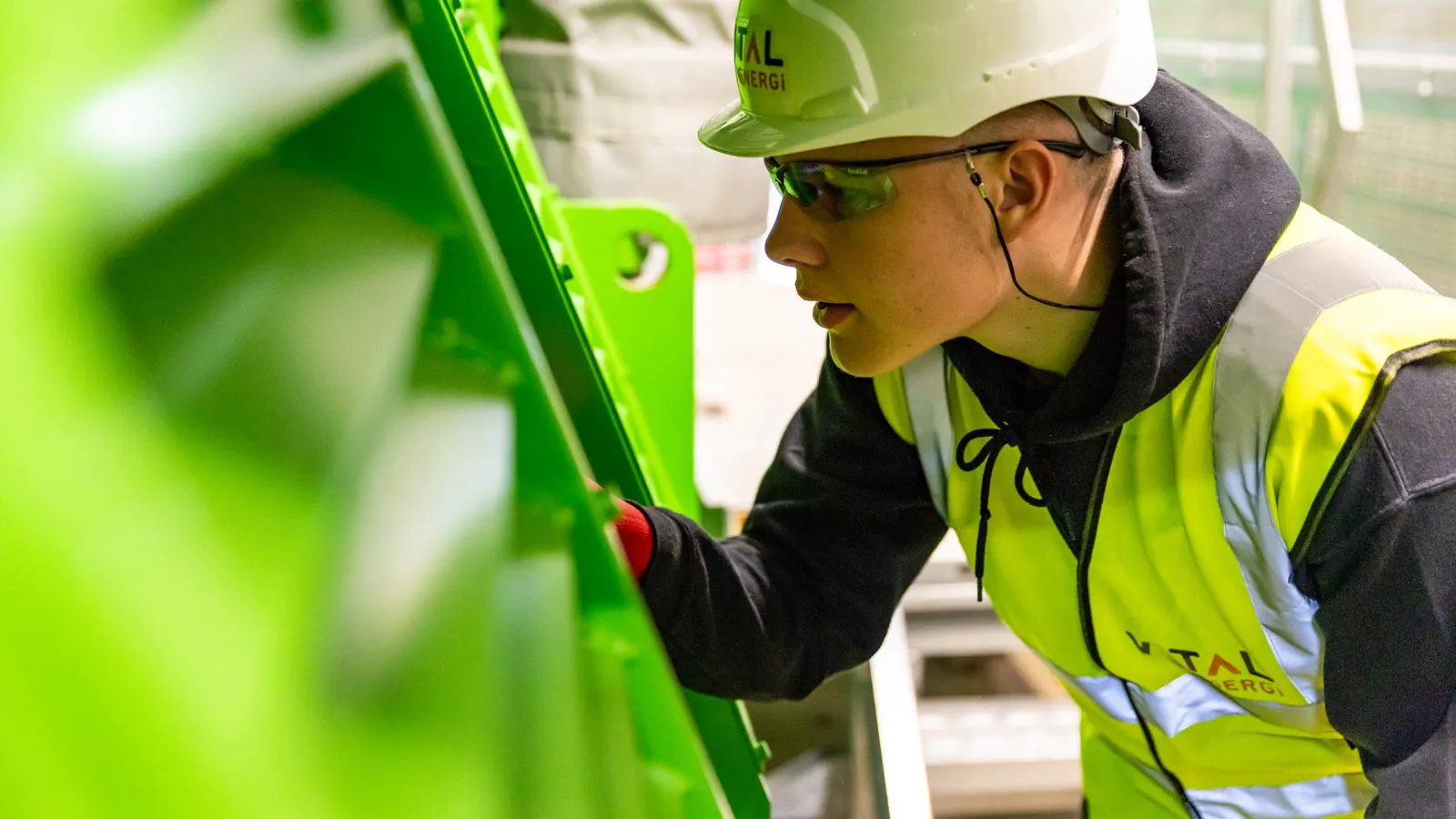
Qualification starts with a visit to the facility, either in person or via a structured video audit. You need to see the production environment. Check for cleanliness, tooling condition, and the presence of calibration labels on testing equipment. A supplier who cannot show you where the windings are inspected or where the insulation is tested is not ready for critical applications.
Ask about their quality management system. Look for evidence of documented procedures for incoming material inspection, process controls, and final acceptance testing. The supplier should be able to show you how they handle non-conforming parts. If they lack a clear process for rejecting defective components, the risk of a bad shipment increases. For example, ask to see the quarantine area where defective motors are stored. If the area is cluttered or items lack identification tags, the supplier’s control over quality is likely weak.
Financial stability is another factor. A secondary supplier that is over-use or facing cash flow issues may cut corners to meet profit targets. Review their financial statements if possible, or ask for references from other customers in your industry. Stable suppliers are more likely to maintain consistent quality over the long term. When speaking with references, ask specific questions about their experience with the supplier’s response to technical issues. A supplier who resolves problems quickly is a better partner than one that offers cheap parts but ignores follow-up calls.
Evaluating Technical Specifications and Tolerances
Do not rely solely on the datasheet provided by the supplier. Request the technical drawings and specification sheets for the exact model. Compare these against your application requirements. Pay close attention to tolerances for voltage, current, speed, and efficiency. Secondary suppliers sometimes use generic components that have wider tolerances than premium motors.
Check the insulation class and cooling method. A motor rated for Class H insulation should be tested to that standard. Ask for the test reports from the previous batch. If the supplier cannot provide test data, they may not be testing every unit. For critical applications, insist on incoming inspection at your facility. This involves running the motor under load for a set period and measuring performance parameters.
Also review the mounting and connection details. Different suppliers may use different flange dimensions, shaft lengths, or terminal boxes. A mismatch here can cause installation delays and additional machining costs. Ensure the supplier can provide custom options if your installation requires non-standard features. For instance, if your drive shaft is slightly longer than standard, check if the supplier offers extended shaft options without incurring a significant surcharge. Misalignment between the motor and the driven equipment can lead to premature bearing failure, so precise mechanical compatibility is non-negotiable.
Managing Cost and Lead Time Without Sacrificing Quality
Cost savings from secondary suppliers usually come from lower overhead, bulk purchasing of raw materials, or less stringent testing protocols. You must identify where the savings are coming from. If the price is low because they are skipping final inspection, that is a red flag. Negotiate the price based on the level of service and documentation included.
Lead time is another variable. Secondary suppliers may claim shorter delivery times because they have stock available. Verify this claim by asking for a current inventory list. If they have to produce the motor to order, the lead time will depend on the availability of copper, steel, and other raw materials. Build a buffer into your production schedule to account for potential delays.
To manage cost and lead time effectively, consider a phased approach. Start with a small trial order. Evaluate the performance and documentation quality. If the results are acceptable, increase the volume. This reduces the financial exposure if the supplier fails to meet expectations. It also gives you time to establish a quality relationship and identify any recurring issues.
Assessing Supplier Risk and Contingency Planning
Supplier risk is not just about quality. It includes the possibility of bankruptcy, natural disaster, or logistical failure. Secondary suppliers often have smaller networks and fewer backup options. If their sole source for a key component fails, your supply chain stops. Assess their geographic concentration. Are all their suppliers located in one region? Are they exposed to specific supply chain vulnerabilities?
Develop a contingency plan before you place a large order. Identify at least two qualified suppliers for critical motor types. This dual sourcing strategy protects your production schedule. If one supplier fails, you can switch to the other without a long requalification process. Maintain the technical documentation and test protocols for both suppliers to ensure consistency.
Monitor supplier performance continuously. Use a scorecard to track on-time delivery, quality defects, and responsiveness. If a supplier misses targets repeatedly, adjust your order volume or begin the process of qualifying an alternative. Do not wait for a failure to act. Proactive management reduces the impact of supply chain disruptions.
Decision Criteria for Selecting a Secondary Vendor
The following table outlines the key factors to evaluate when comparing secondary motor suppliers. Use this checklist to standardize your assessment across different bids.
| Criterion | What to look for | Why it matters |
|---|---|---|
| Factory Audit | Evidence of calibrated testing equipment and clean production area | Confirms the supplier has the capability to control quality at the source. |
| Documentation | Full traceability, test reports, and material certifications | Allows you to verify compliance and retain records for warranty and maintenance. |
| Lead Time | Verified stock levels and realistic production schedules | Prevents production delays caused by unexpected supply shortages. |
| Pricing Model | Transparent breakdown of costs and testing inclusions | Ensures you are not paying a low price for unverified or untested units. |
| Financial Health | Stable financial statements and reference checks | Indicates the supplier can sustain operations and support long-term relationships. |
| Spare Parts Access | Availability of replacement components and technical support | Reduces downtime if a motor fails during its service life. |
Closing Decision Checklist
Before signing a contract with a secondary motor supplier, review the following points.
- Have you completed a site audit or a detailed virtual review of their production and testing facilities?
- Do you have the technical drawings and specification sheets for the exact model you are purchasing?
- Can the supplier provide test reports and material certifications for recent production batches?
- Is the lead time verified against current inventory and raw material availability?
- Have you defined the acceptance criteria for quality, performance, and documentation in the purchase order?
- Do you have a backup supplier qualified for this motor type in case of disruption?
- Is the pricing structure transparent and aligned with the level of testing and support included?
If you can answer “yes” to all of these questions, you are ready to proceed. If not, pause the process and address the gaps. A small delay in qualification is far less costly than a production stoppage caused by a defective motor.
Frequently asked questions
Can I use a secondary supplier for critical, high-speed applications?
Yes, but only if you impose strict acceptance criteria and require full traceability. The supplier must demonstrate the ability to meet tight tolerances and provide detailed test data for every unit.
How do I verify that the materials used are genuine?
Request material test certificates from the raw material suppliers. Cross-reference the heat numbers and mill test reports with the supplier's records. If possible, perform a spot check on incoming components.
What is the biggest mistake buyers make with secondary vendors?
Assuming the datasheet matches the actual product. Buyers often skip incoming inspection and find out about defects only after the motor is installed and running. Always test a sample before releasing the full order.
How should I handle warranty claims with a secondary supplier?
Have a clear warranty clause in your contract. Specify what constitutes a defect, the response time for claims, and the process for replacement or repair. Keep all test records and installation documentation to support your claim.
Is it worth the effort to qualify multiple secondary suppliers?
For high-volume or critical applications, yes. Qualifying a second supplier reduces your dependency on a single source and gives you negotiating power. The initial effort is small compared to the risk of supply disruption. ===END===