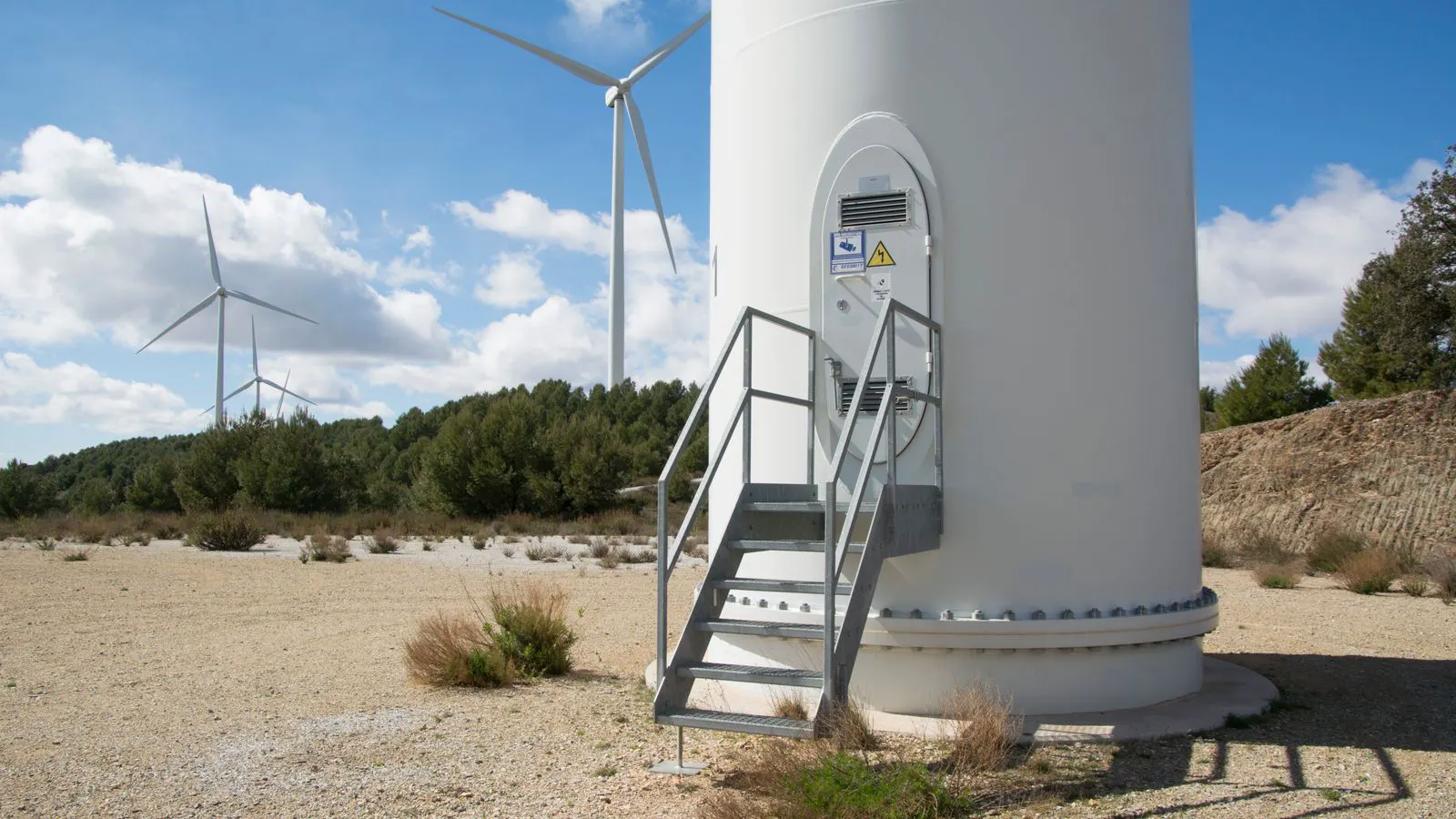
Buyer Guide: Sourcing Motors for Remote Plant Sites
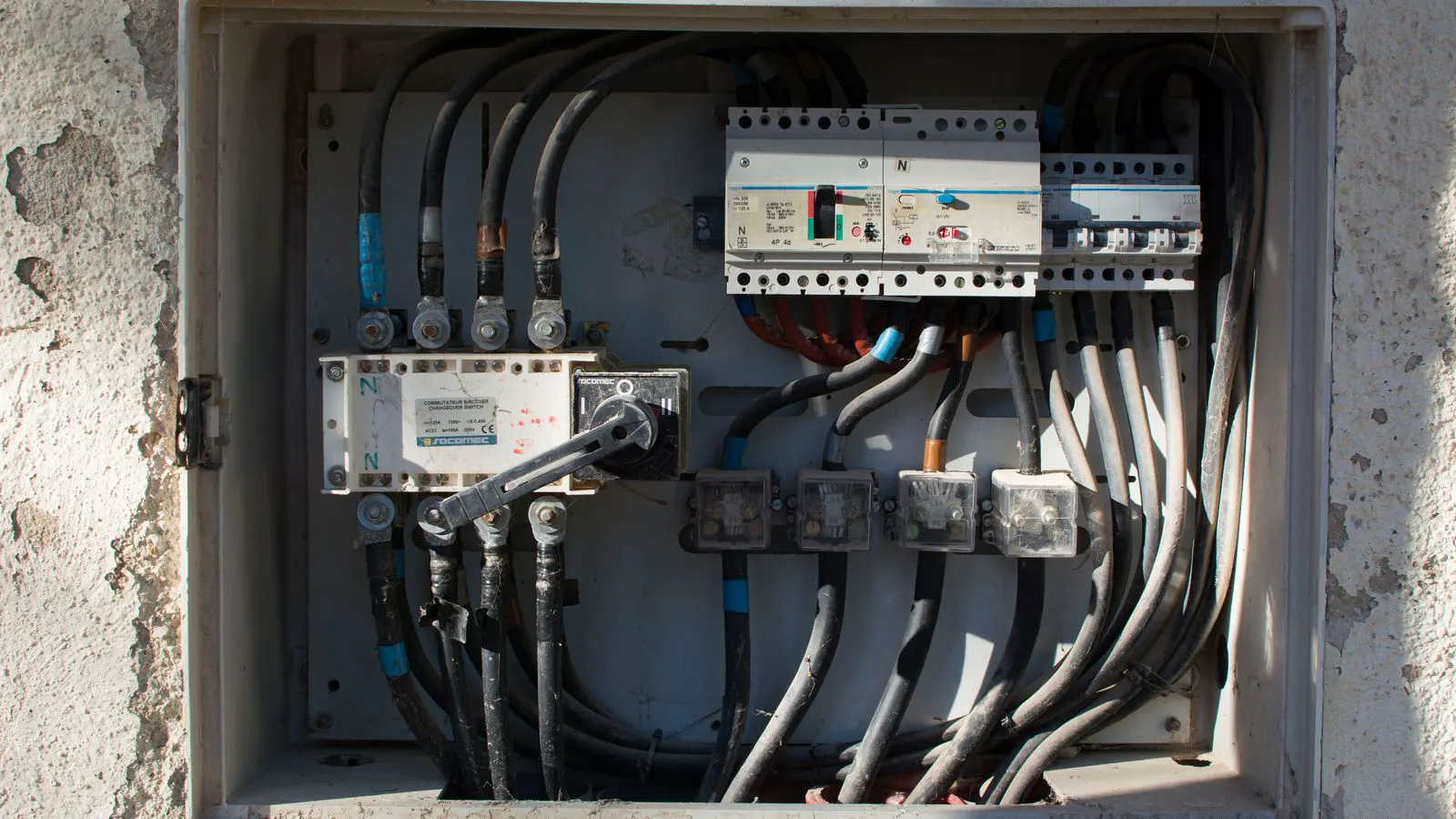
This guide provides a buyer framework for evaluating motor suppliers in remote plant sites. It covers logistics capability, spare parts strategy, and risk mitigation to ensure reliable delivery and support in inaccessible industrial locations.
- Supplier logistics capability determines if motors arrive on schedule and in correct condition for difficult sites.
- A structured spare parts strategy prevents costly downtime when replacement motors are needed in inaccessible areas.
- Contract terms must account for site access restrictions, delivery windows, and after-sales support requirements.
- Buyers should verify supplier factory capacity and quality controls before committing to remote site projects.
Why Remote Site Sourcing Differs from Standard Procurement
Buying motors for a central plant or urban facility follows standard procurement rhythms. Remote site sourcing introduces physical constraints that change the entire supplier evaluation process. Inaccessible locations demand different logistics, longer lead times, and stricter spare parts planning. A supplier that excels in a metropolitan market may struggle with a mining site, offshore platform, or mountain facility.
The core challenge is not price. It is the ability to deliver the right motor to a difficult location and support it after installation. Buyers must assess supplier capability across several specific areas before signing a contract.
Standard procurement assumes a predictable supply chain. A motor ordered in a city arrives by truck, is craned into a building, and is connected to the drive. If something goes wrong, a technician can usually arrive within hours. Remote sites break this assumption. A motor delivered to a remote drilling pad may travel by barge, then by all-terrain vehicle, then by hand over uneven terrain. The final mile is often the most expensive and risky part of the journey.
Suppliers often treat remote site projects as a special case, which means their internal processes must be adapted. A standard order entry system may not capture the need for a site access permit. A standard warehouse may not be able to dispatch a spare part to a location with no road access. Buyers need to verify that the supplier has the infrastructure to handle these exceptions.
What Logistics Capability Should You Verify
Logistics is the first factor that determines whether a remote site project succeeds. Suppliers must demonstrate proven experience moving heavy equipment to locations with limited access. This includes road restrictions, port limitations, and last-mile delivery challenges.
Ask suppliers to describe their current logistics partners and how they handle oversized freight. Request examples of past remote site deliveries. Specifically, ask how they manage customs clearance, temporary storage, and final delivery windows. Some suppliers use specialized freight forwarders for remote sites. Others rely on standard shipping routes that may not work for your location.
The delivery schedule must account for site access windows. Remote sites often have limited receiving hours or seasonal access restrictions. A supplier who cannot align delivery with site availability creates delays and storage costs. Verify that their logistics team understands the physical constraints of your specific location.
Consider the weight and dimensions of the motor. A medium-duty motor may weigh several tons. Transporting this load over a gravel road requires a different vehicle than a standard box truck. The supplier must confirm that their freight forwarders have vehicles rated for the specific weight and road conditions at your site.
Customs clearance is a separate risk. If the motor is imported, it must clear customs before it can move to the site. Delays here can stall the entire project. The contract should specify who handles the paperwork and who bears the cost if the motor is held at a port or border checkpoint.
Temporary storage is another hidden cost. If the motor arrives before the site is ready, it must be stored somewhere. In a remote area, this may mean renting a secure area on the site or finding an off-site storage facility. The logistics plan should include where the motor will sit if delivery is delayed.
How to Evaluate Spare Parts Strategy
A motor installed in a remote site cannot be replaced by a standard next-day delivery. The spare parts strategy must account for lead times, storage, and site conditions. Suppliers should offer a structured approach to spare parts rather than treating them as an afterthought.
Common approaches include pre-positioning spares at the site, maintaining a regional warehouse, or providing a guaranteed replacement lead time. Each method has trade-offs. Pre-positioning spares costs money upfront but reduces downtime risk. A regional warehouse balances cost and response time. A guaranteed lead time relies on the supplier’s manufacturing capacity and logistics reliability.
Buyers should define what constitutes a “spare” for their operation. This includes not just complete motors but also critical components such as bearings, brushes, and control boards. The spare parts agreement should specify which items are included in the base contract and which are available as add-ons.
For a mining operation, a spare motor might be the priority. For a water treatment plant, a spare control board might be more critical because it is cheaper and faster to replace. The definition of “spare” must match the criticality of the asset.
Storage conditions matter. Bearings stored in a humid environment may corrode before they are needed. Control boards may be sensitive to temperature extremes. The spare parts plan should include how parts are stored and protected until installation.
A guaranteed replacement lead time is a strong commitment. It requires the supplier to keep stock on hand or reserve production capacity. If the supplier cannot guarantee a lead time, it should not offer one. Vague promises like “we will try to ship it as soon as possible” are not acceptable for remote sites.
What Contract Terms Protect Remote Site Buyers
Standard motor contracts rarely address the unique risks of remote site procurement. Buyers need contract clauses that specifically protect against delivery delays, damage in transit, and support failures. The contract should define clear responsibilities for each phase of the supply chain.
Delivery terms must be specific. Standard Incoterms like FOB or CIF do not capture the full scope of remote site delivery. The contract should state who arranges last-mile transport, who handles site access permits, and who bears responsibility for damage during installation.
If the supplier is responsible for last-mile transport, they must accept the risk of damage during that leg. If the buyer arranges the transport, the supplier must accept the motor at the port or border checkpoint. The contract must make this boundary clear.
Support obligations require separate attention. If the motor fails after installation, the supplier must commit to a response timeline. This includes remote diagnostics, on-site support, and replacement part dispatch. The contract should define what constitutes a service call versus a warranty claim.
A service call might involve a technician checking a loose connection or resetting a fault. A warranty claim might involve replacing a failed bearing or stator. The contract should specify which actions are covered under warranty and which are billed as service. This prevents disputes when the motor fails in the field.
Delay penalties are another important clause. If the motor arrives late, the project schedule slips. The contract should define what happens if the delivery date is missed. This could be a credit, a price reduction, or a termination right. Without this clause, the supplier has no financial incentive to meet the deadline.
How to Assess Supplier Factory Capacity
Factory capacity determines whether a supplier can meet lead time requirements and handle replacement orders. Remote site projects often require motors on a fixed schedule, and delays can cascade into major project setbacks.
Evaluate the supplier’s production capacity against the volume you require. Ask about their current backlog and how they prioritize orders. A supplier with high capacity and a long backlog may not be able to guarantee your delivery date. A supplier with moderate capacity and a short backlog may be more reliable for fixed-schedule projects.
Capacity planning also affects spare parts availability. If the supplier’s factory is at full capacity, replacement motors for remote sites may take weeks. This reinforces the need for a pre-planned spare parts strategy.
Ask about the supplier’s raw material supply. Motors require steel, copper, and insulation materials. If the supplier relies on a single source for a critical material, a shortage can halt production. The supplier should have alternate sources or stockpiles for key components.
Production lead time is not just assembly time. It includes winding the stator, inserting the rotor, and running final tests. Each step has a minimum duration. A supplier that claims a short lead time may be cutting corners or using standard stock. Verify the actual production steps for your specific motor type.
If the order is for a custom motor, the lead time will be longer. Custom motors require special windings or dimensions. The supplier must confirm that their factory can handle custom orders without delaying standard production.
Quality Controls for Difficult Installation Conditions
Motors installed in remote sites often face harsher environmental conditions than standard industrial settings. Temperature extremes, moisture, dust, and vibration are common. The supplier must demonstrate quality controls that account for these conditions.
Request documentation of their quality management system. Look for specific controls related to environmental testing, insulation class verification, and final inspection. These tests confirm that the motor will perform in its intended environment, not just in a standard factory setting.
Installation conditions also matter. Remote sites may lack the precision of a central plant. The motor must be robust enough to tolerate installation tolerances and site conditions. Ask the supplier about their installation support services and what documentation they provide to guide field installation.
Environmental testing should include temperature cycling and dust ingress tests. If the motor will operate in a dusty environment, the enclosure must be rated accordingly. If it will face high humidity, the insulation must be resistant to moisture. The test results should be provided for your specific application.
Insulation class verification is critical. A motor rated for 155 degrees Celsius will fail if it is operated at 180 degrees. The supplier must confirm the insulation class and the operating temperature range. The contract should specify the required insulation class based on the site conditions.
Final inspection should include a load test. The motor should be run under load to confirm that it operates within its rated parameters. This test detects defects that may not appear during a no-load test. The inspection report should be included in the delivery documentation.
Supplier Selection Criteria Table
Use the following criteria to compare suppliers for remote site motor projects. Each criterion requires verification through documentation and direct conversation with the supplier’s project team.
| Criterion | What to look for | Why it matters |
|---|---|---|
| Logistics experience | Documented past deliveries to similar remote sites | Proven capability to handle difficult access and delivery windows |
| Spare parts plan | Written strategy with defined lead times and storage options | Reduces downtime risk when replacement motors are needed |
| Contract terms | Specific clauses for remote site delivery and support | Protects against delays, damage, and support failures |
| Factory capacity | Current backlog and production capacity data | Ensures the supplier can meet fixed delivery schedules |
| Quality controls | Environmental testing and final inspection documentation | Confirms the motor will perform in harsh site conditions |
| Support obligations | Defined response timelines for failure and repair | Minimizes operational downtime after installation |
Decision Checklist for Remote Site Motor Sourcing
Before finalizing a supplier selection, complete the following checklist. Each item should be verified with documentation or direct confirmation from the supplier.
- Supplier has documented experience delivering motors to remote or inaccessible sites.
- Logistics plan accounts for site access restrictions and delivery windows.
- Spare parts strategy is defined in writing with specific lead times.
- Contract includes clauses for remote site delivery, damage, and support.
- Supplier factory capacity supports the required delivery schedule.
- Quality controls address the specific environmental conditions of the site.
- Support obligations define response timelines for failures and repairs.
Each item represents a risk point in the remote site procurement process. Skipping any one of them increases the likelihood of delays, damage, or extended downtime. The supplier must demonstrate capability at each stage before the contract is signed.
Frequently asked questions
What is the biggest risk when sourcing motors for remote sites?
The biggest risk is delivery delay or damage in transit. Remote sites have limited access and long logistics chains, so any disruption in the supply chain has an outsized impact on project schedules.
How should buyers handle spare parts for inaccessible locations?
Buyers should define a written spare parts strategy that includes specific items, storage locations, and guaranteed lead times. Pre-positioning spares at the site or using a regional warehouse reduces downtime risk.
What contract terms are most important for remote site motor procurement?
Contracts must include specific clauses for delivery windows, last-mile transport, damage responsibility, and support response times. Standard contract terms often do not cover the unique risks of remote site projects.
How do you verify a supplier's factory capacity?
Request current backlog data and production capacity figures. Ask how the supplier prioritizes orders and whether they can guarantee a delivery date for your specific project.
What quality controls should a supplier demonstrate for remote site motors?
Suppliers should show environmental testing, insulation class verification, and final inspection documentation. These controls confirm the motor will perform in harsh site conditions rather than just in a standard factory.